Chana Met Rothman
House of Wiesen
Oct 1900
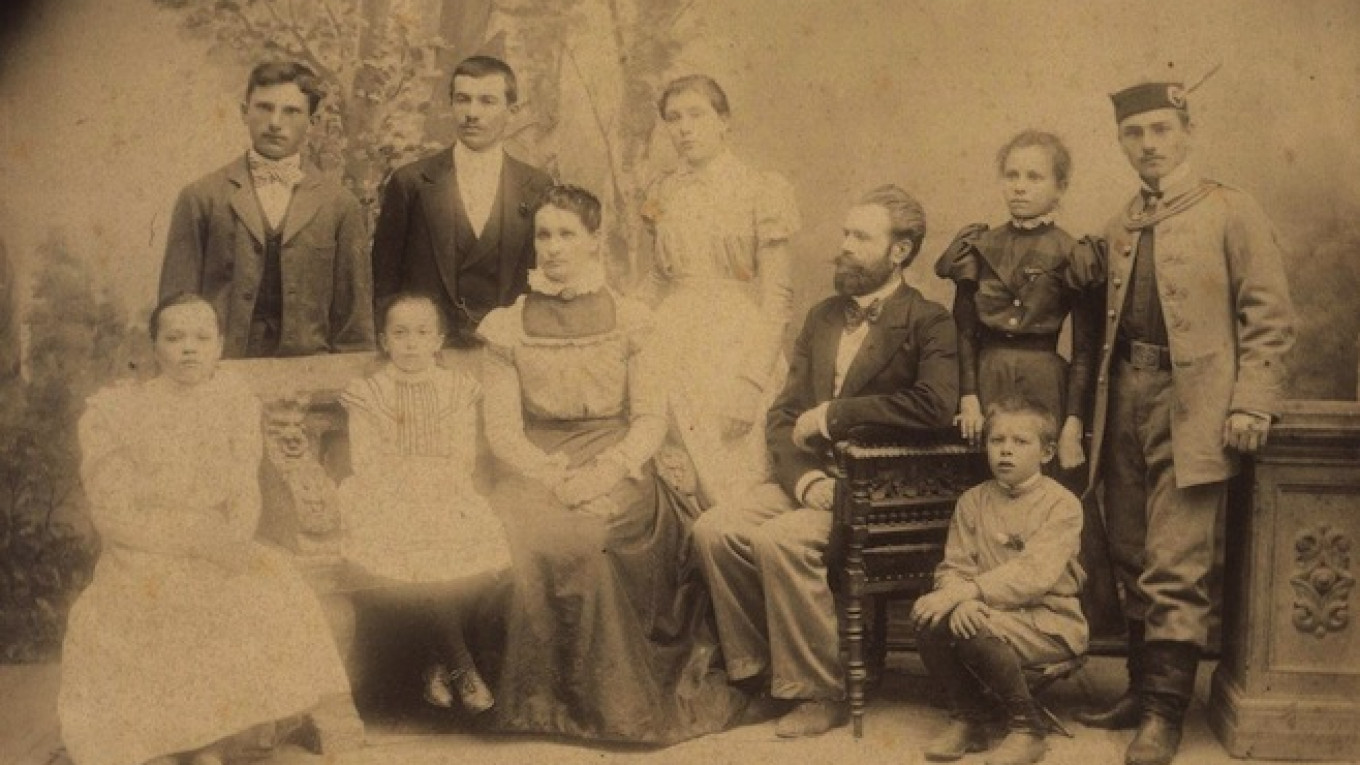
Chana was born on October 15, 1900, in Jata, which was part of the Austro-Hungarian Empire and is now located in Poland. Her father was Hirsch Rosenblüth, and her mother was Miriam, from the house of Goldman. She had three siblings: Kelman, Lea, and Serel.
1915
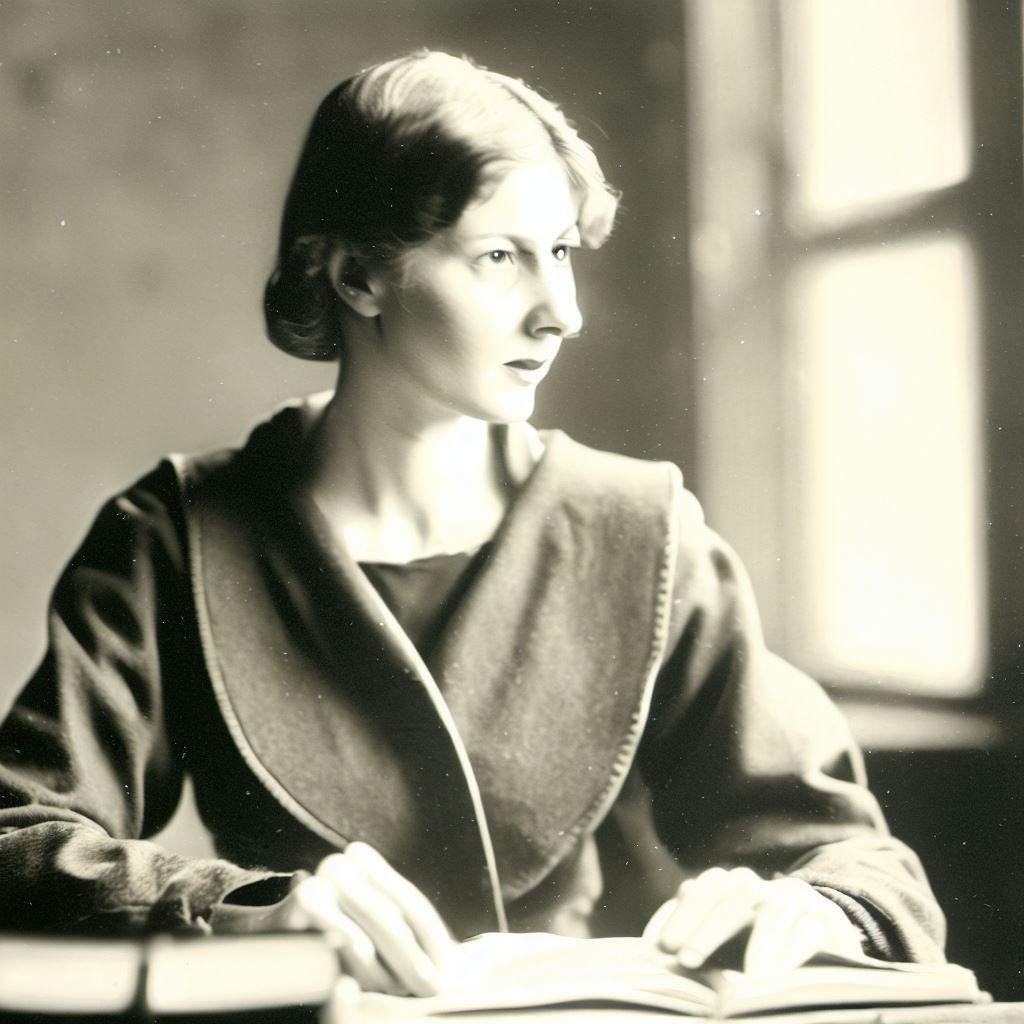
When the First World War broke out, she moved to Harburg on the Elbe with her two sisters (Serel and Lea), where she attended and graduated from a commercial school. She then worked for Neuwirth in Harburg, Bremer Str. 3. She started as a saleswoman and was ultimately managing director.
Jun 1926
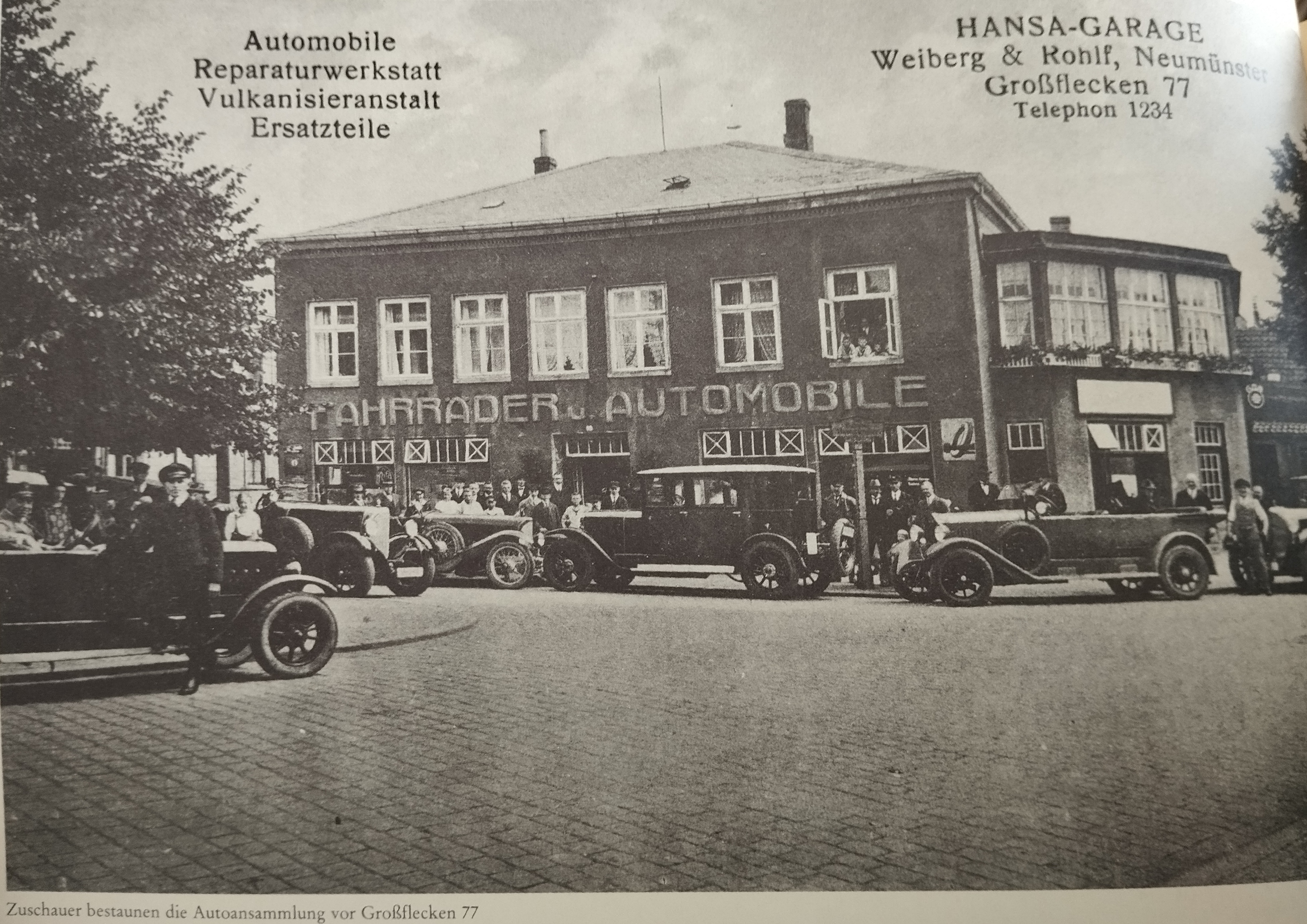
In 1926, Chana embarked on a new chapter in her life, relocating to Neumünster. This vibrant town became her home, and she wasted no time in establishing several stores, demonstrating her entrepreneurial spirit and determination.
Jun 1929
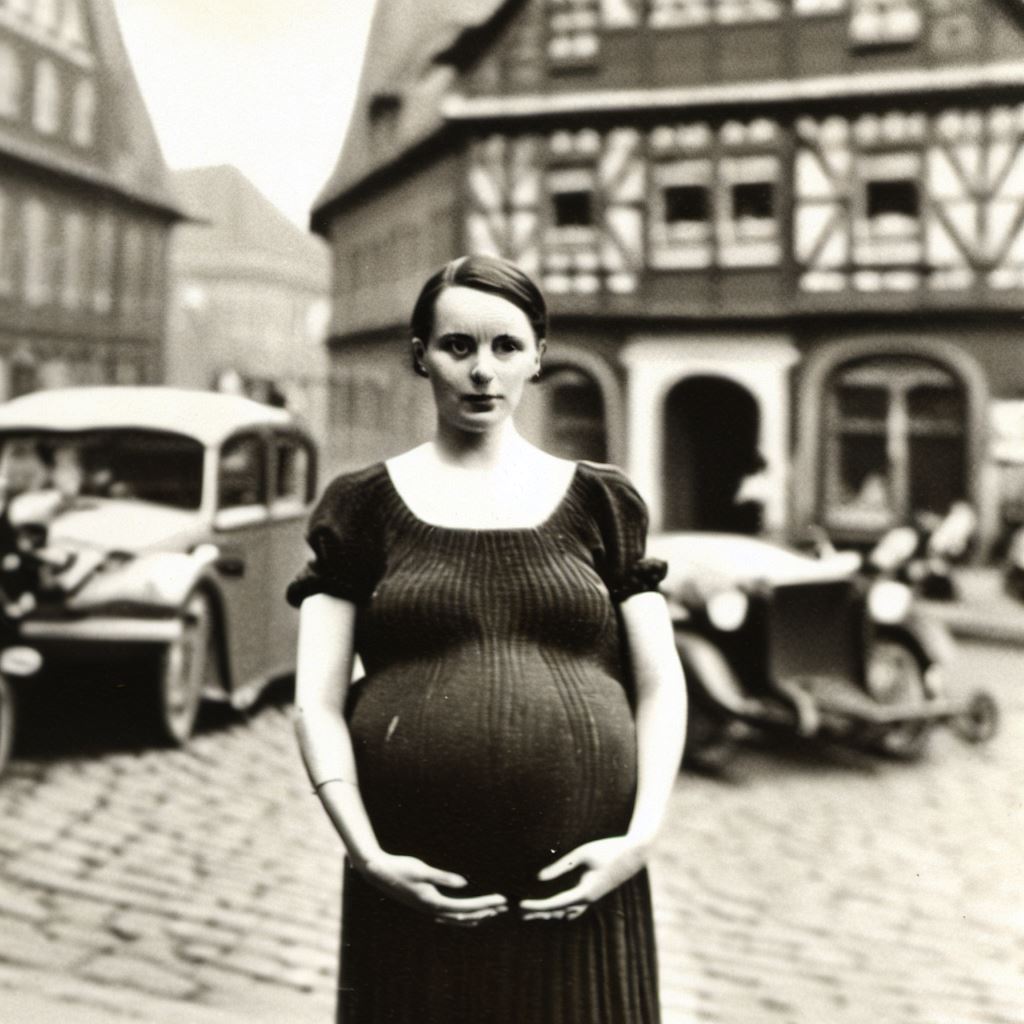
On June 28, 1929, their first daughter was born and named Sonja Scheindel Beile. She was registered in Neumünster on July 5, 1929.
Aug 1929
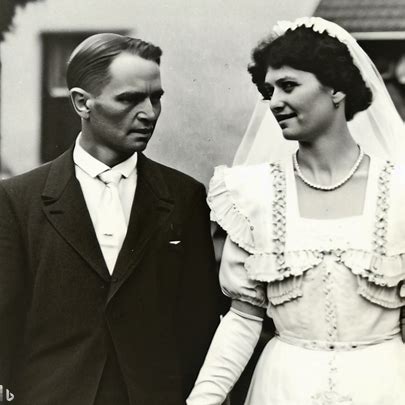
On August 1, 1929, Chana married Moisze Chil Met in Wismar, Germany.
Aug 1929
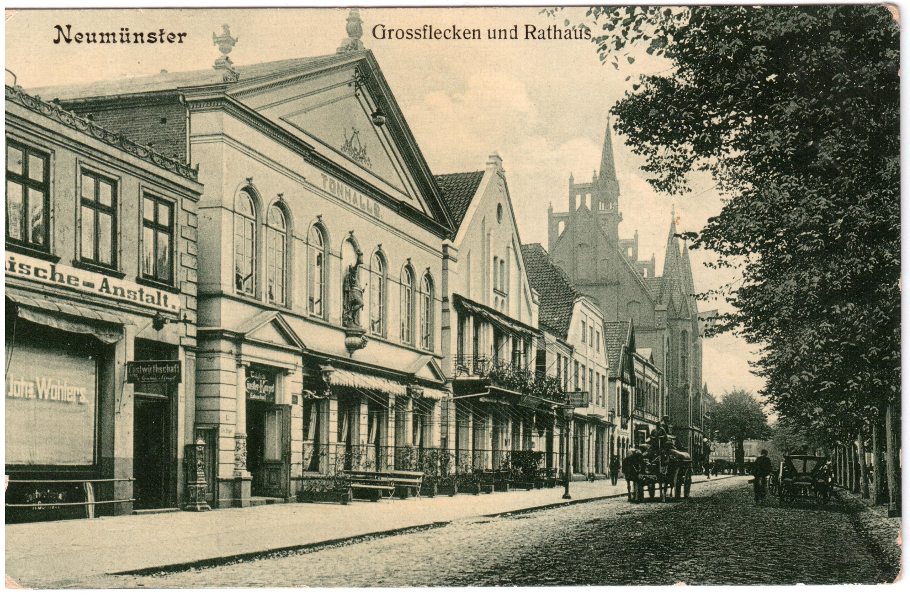
On August 8, 1929, the family moved to Großflecken 53 in the town of Neumünster.
Aug 1931
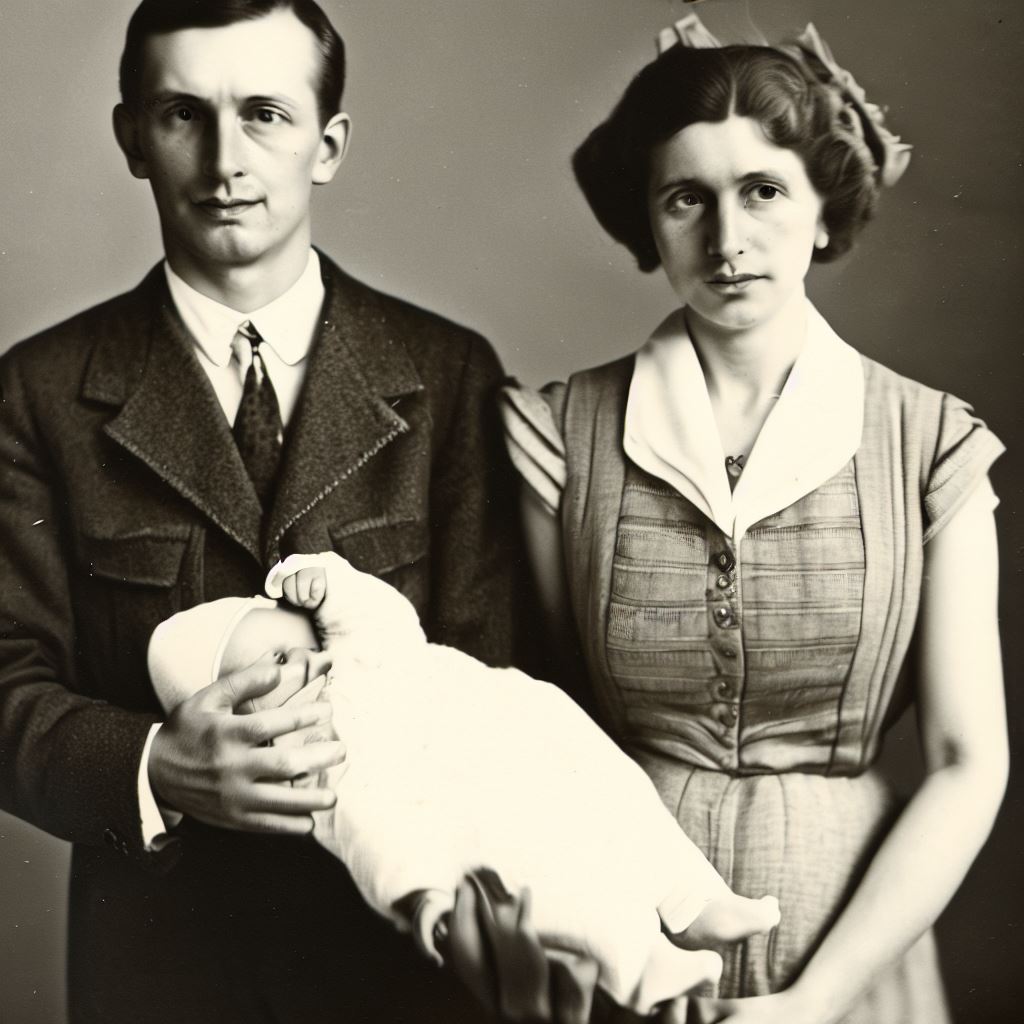
On August 4, 1931, the second daughter was named Vera Cacilia, and the registration in Neumünster took place on August 5, 1931.
Nov 1931
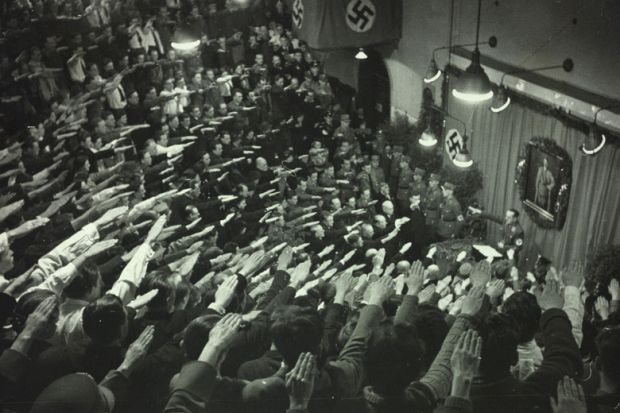
Tonhalle (also known as 'Zum Tucher' in Fallada) – Großflecken 51, today Marktpassage Neumünster – various propaganda events took place before and during the Nazi era. On November 8, 1931, there was a 'German Evening' in the Tonhalle. That day, around 1,200 SA men from all over Schleswig-Holstein gathered in Neumünster and marched through the city. The final rally was stopped by the police.
Jun 1932
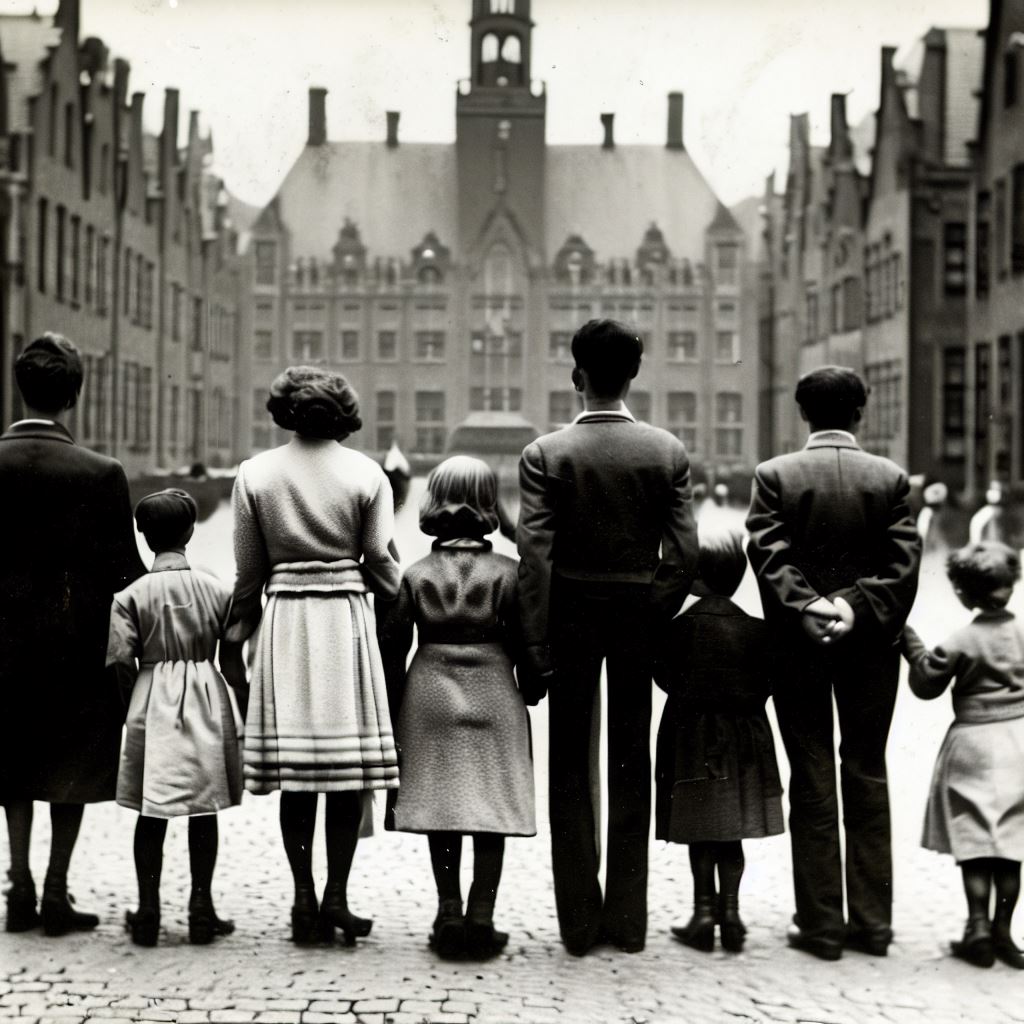
Chana and Moisze, fearing Nazi persecution after attending a 'Deutscher Abend' Nazi evening, sought refuge outside of Schleswig-Holstein. They visited family in the Netherlands, where Chana was registered in The Hague on June 30, 1932, despite her impending delivery. Ruth Nomi was born a few days later, on July 6, 1932.
Jul 1932
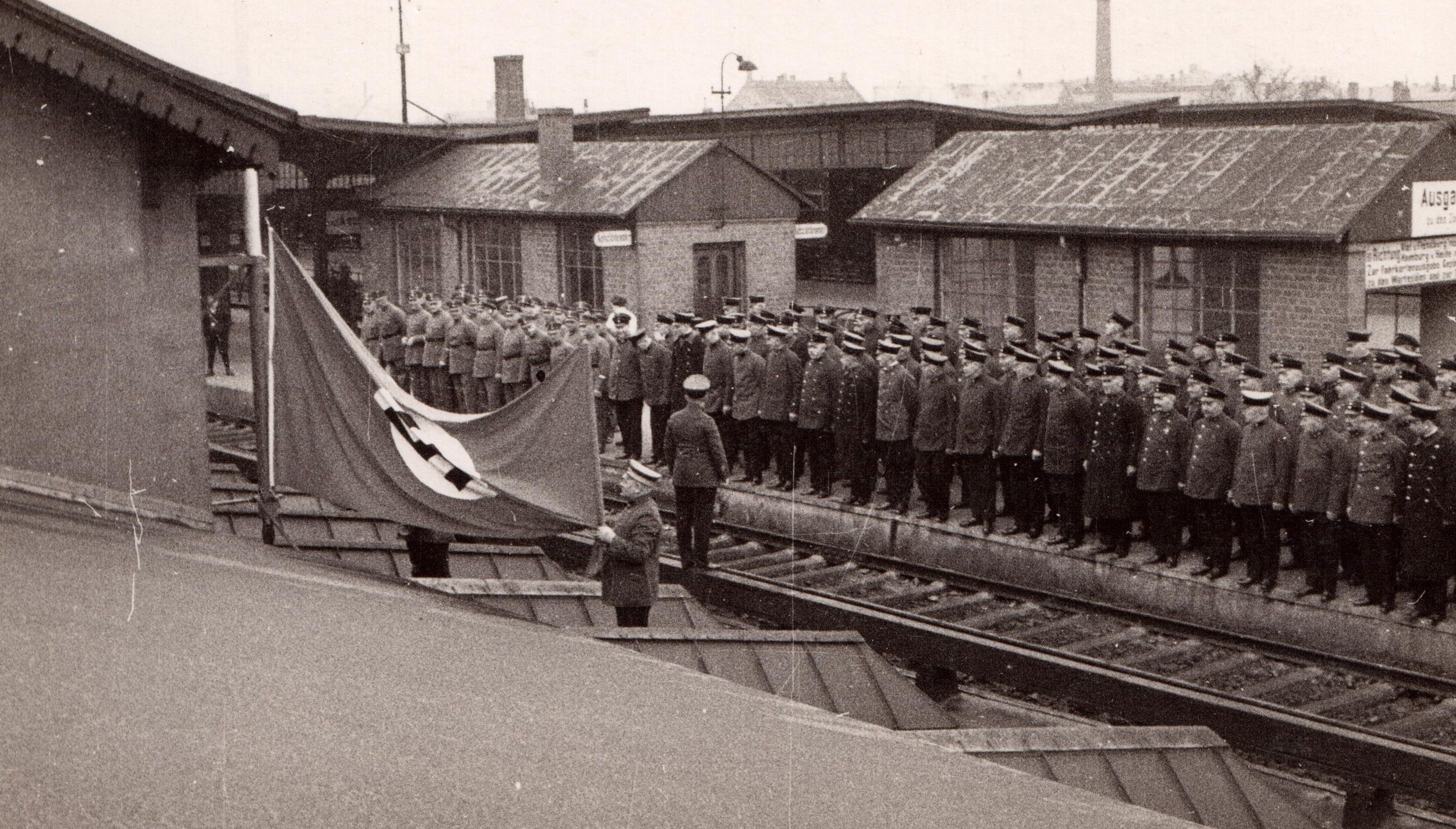
In July 1932, the Nazi Party achieved record electoral gains in the province, securing 51% of the vote compared to the Reich's average of 37.3%. Previous studies attempting to explain the success of the Nazi Party have typically been rooted in either political science or sociology, and they are most valuable for their methodological approaches. These studies often delve into the social aspects and straightforward party histories of the Nazi movement in Schleswig-Holstein.
1934
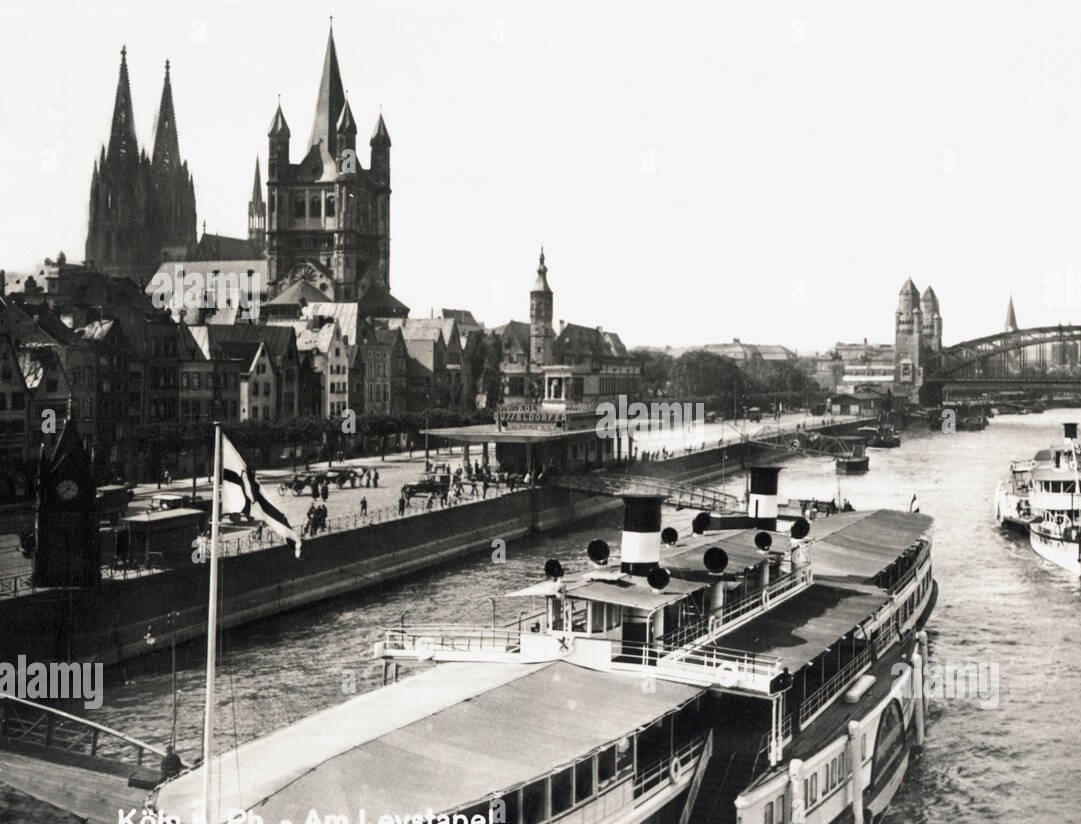
In 1934, Chana embarked on a journey from the Netherlands to Cologne, Germany, along with her three daughters. Their destination was Sternengasse 52, the home of Joseph Kellner. During their time in Cologne, the family concealed their Jewish faith, facing the challenges of the era. They patiently awaited certification to travel to Palestine, a journey that held hope for a brighter future amidst the uncertainties of the time.
Aug 1935
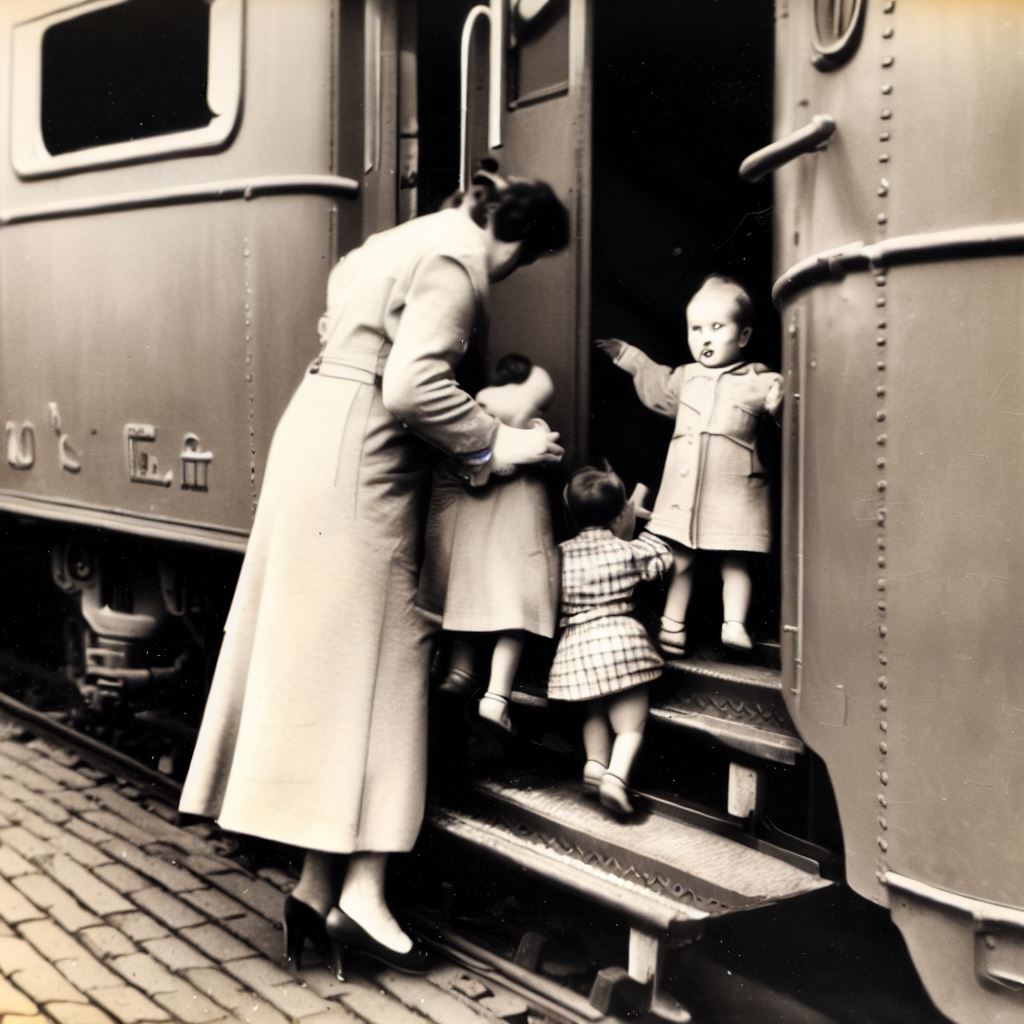
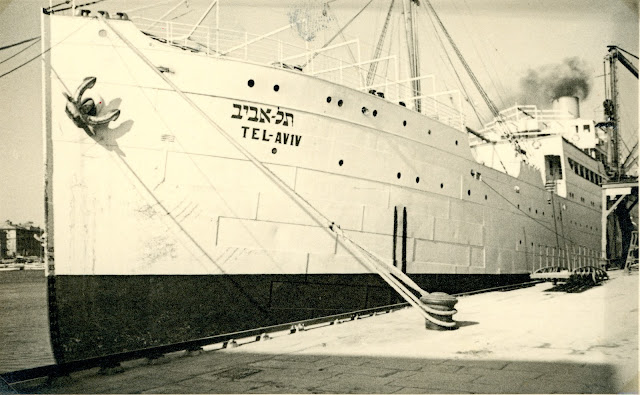
Chana and her three daughters began their immigration journey from Germany to Palestine.
Sep 1935
On September 16, 1935, Chana and her three daughters arrived in Palestine – Video link. Unfortunately, Vera, the second child, fell ill and passed away two weeks later.
1972
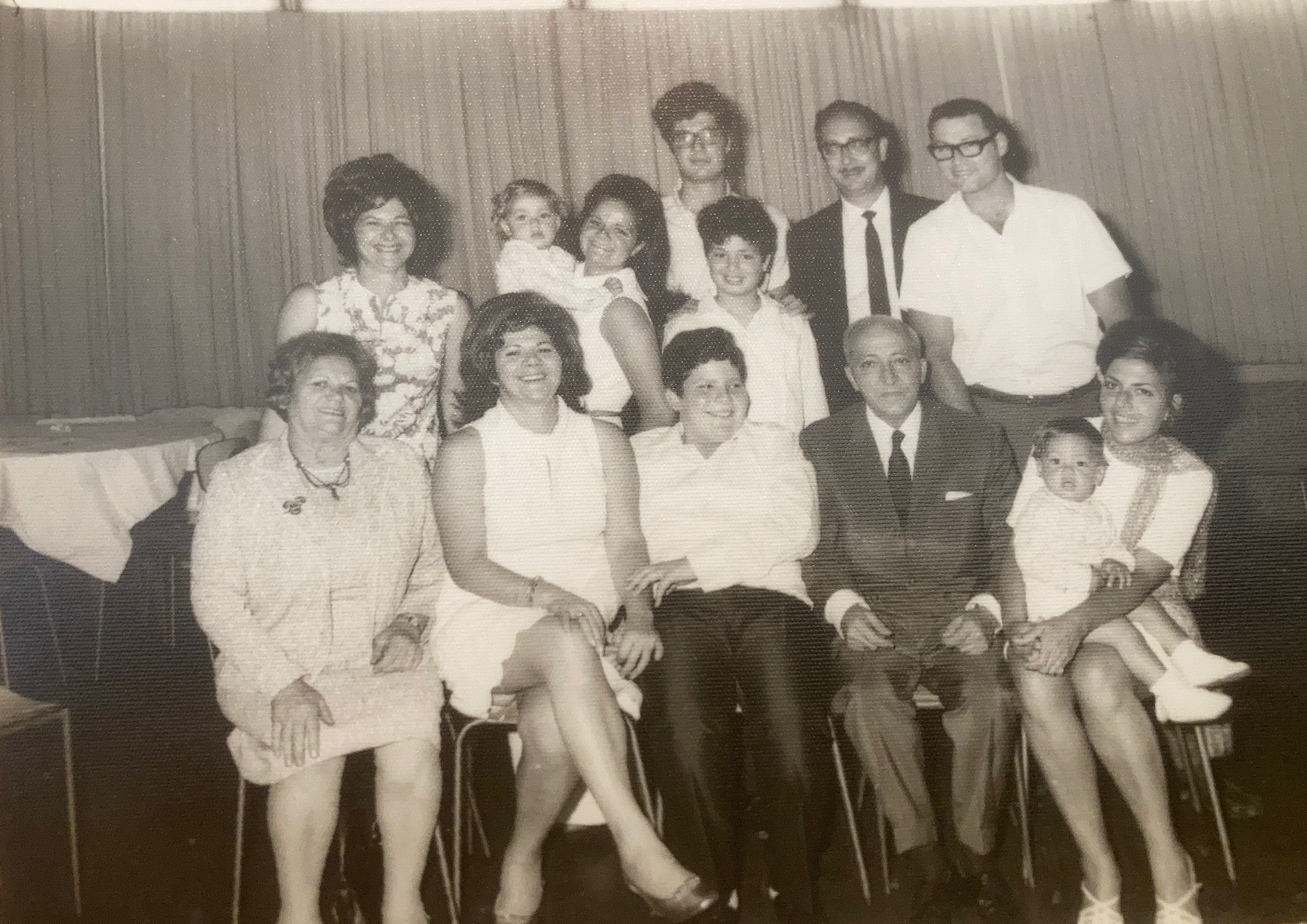
This is the only family photo that Chana has, featuring Chana, Sonja, and the grandchildren.